Essential Why Masonry and Brick Repair Services in Inwood: 2026 Guide for Manhattan Residents
Most people don’t think about their chimney’s brickwork until water is coming through the ceiling or smoke is backing into the living room. That’s the wrong time to start asking why masonry and brick repair services exist and what separates a competent contractor from someone who’ll make the problem worse. This guide is written to help Inwood residents and anyone in northern Manhattan hire the right people before a small crack becomes a structural failure or a carbon monoxide incident.
Inwood’s housing stock is old. The neighborhood north of Dyckman Street and around Isham Park is dense with pre-war apartment buildings and attached rowhouses, many of them built between 1910 and 1940. Those chimneys have been exposed to over eighty winters. The mortar joints on a 1928 building on Seaman Avenue were not designed to last forever, and they haven’t.
The Real Danger Nobody Talks About Plainly
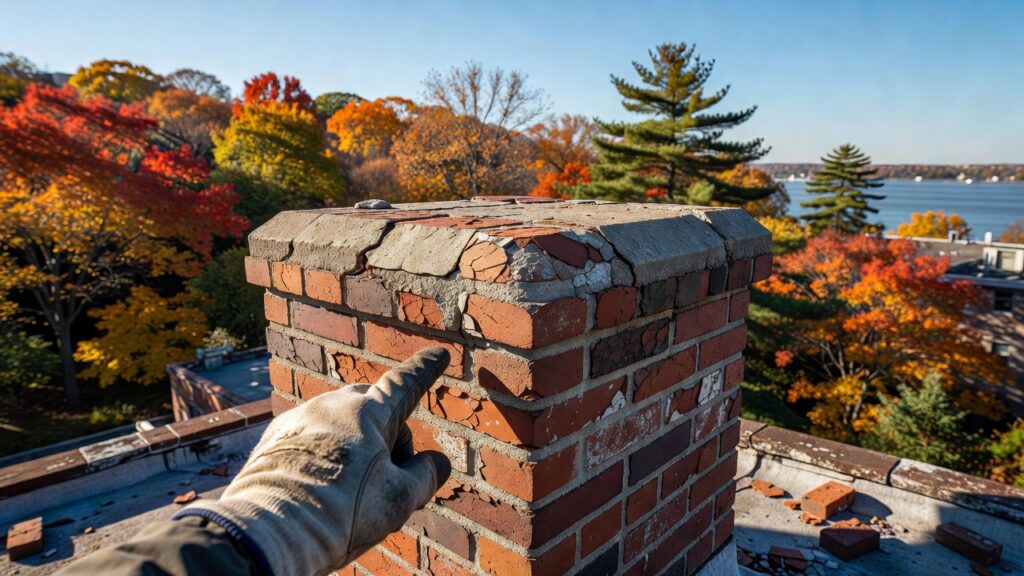
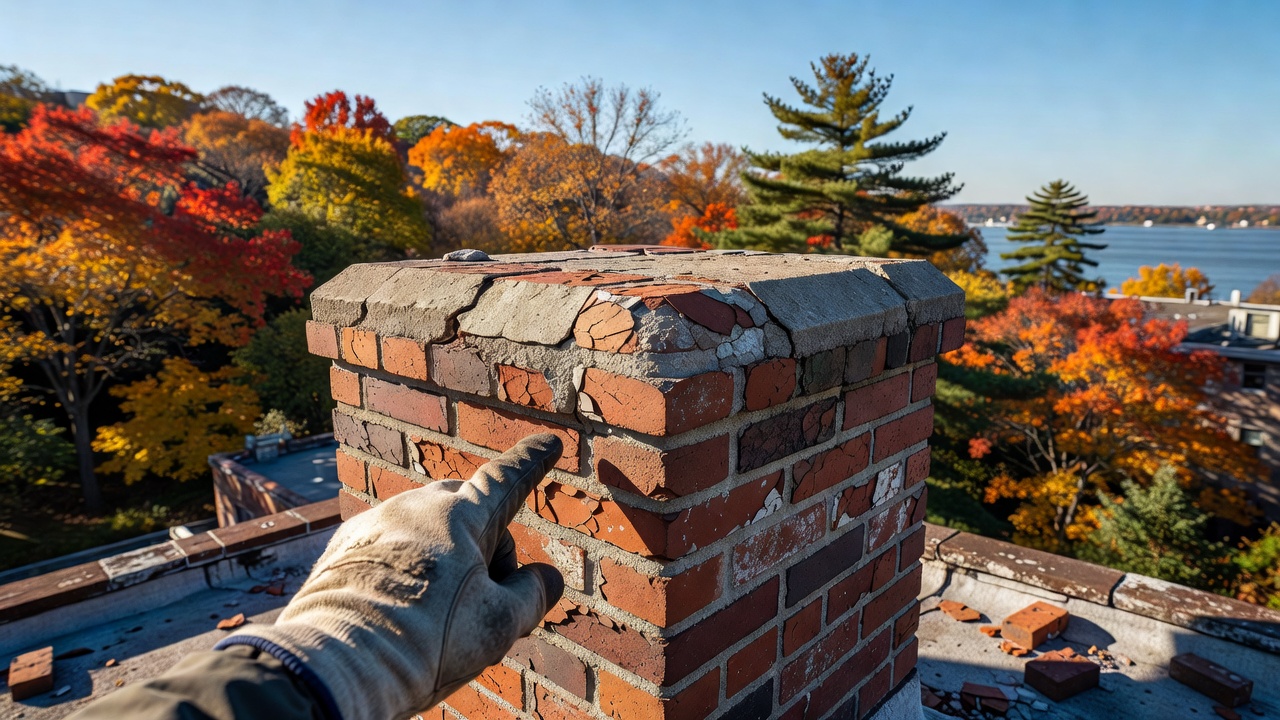
A cracked chimney crown or spalled brick isn’t just cosmetic. Water gets into a fracture, freezes in January, expands, and widens the crack. Do that for three or four winters and you can lose structural integrity in a flue liner. A compromised liner allows combustion gases including carbon monoxide to migrate into living spaces. According to the National Fire Protection Association (NFPA 211), chimneys, fireplaces, and vents should be inspected at least once per year and cleaned as necessary to reduce fire and carbon monoxide risks. That standard exists because the failure modes are documented and they are serious.
The U.S. Fire Administration reports that heating fires account for approximately 15 percent of all residential structure fires in the United States, with chimney-related failures being a leading cause. In a building on West 207th Street or Sherman Avenue where a dozen families share a flue chase, a single point of masonry failure doesn’t just affect one apartment. That’s the stakes. This is not a repair you defer to see how the summer goes.
Why Masonry and Brick Repair Services Require Specific Credentials
General contractors do all kinds of work. That doesn’t mean they understand chimney masonry. The certifications that actually matter here are specific.
Look for a CSIA-certified chimney sweep on the team. The Chimney Safety Institute of America credential covers inspection, diagnosis, and understanding of flue systems not just the cosmetic brickwork outside. The CSIA states that certified professionals are trained to identify structural hazards, code violations, and venting problems that untrained workers may miss. That matters because a mason who patches your exterior brick without checking what’s happening inside the liner has done half a job.
Beyond CSIA, ask whether the company carries New York State contractor licensing and general liability insurance of at least one million dollars. In a co-op or condo building in Inwood, the building’s board will require proof of insurance before anyone works on the roof. Any contractor who pushes back on that request is not someone you want on your roof.
Questions to Ask Before You Hire Anyone
A legitimate masonry contractor won’t flinch at direct questions. Here’s what we’d ask if we were the customer:
First, ask whether they will provide a written scope of work before starting. Not an estimate scrawled on a business card a document that describes what they’ll repair, what materials they’ll use, and what’s excluded. Second, ask specifically what mortar mix they plan to use. Pre-war brick in Inwood is softer than modern brick, and using a Portland cement mix that’s too hard will cause the surrounding brick to crack further. A knowledgeable contractor knows this without being prompted.
Third, ask how they assess the flue liner, not just the exterior. Fourth, ask for two or three references from jobs in northern Manhattan Washington Heights, Marble Hill, or Inwood itself. Work in older urban buildings is different from suburban chimney repair, and the references should reflect that. Fifth, ask whether they’ll file with the New York City Department of Buildings if the scope of work requires a permit. Some jobs do. A contractor who says permits are never necessary for chimney work is either working on very minor repairs or isn’t telling the truth. Sixth, ask how long the repair is warranted and what that warranty covers in writing.
If any of these questions produces evasion or irritation, that’s your answer.
Red Flags That Signal a Bad Operator
We’ve seen the aftermath of bad masonry work across Manhattan from Morningside Heights to Murray Hill to right here in Inwood. The signs of a poor operator are consistent.
The most common is a contractor who quotes the job after a five-minute visual look from street level. Proper chimney masonry assessment involves getting on the roof, looking at the crown, probing mortar joints, and if smoke issues are present, running a camera through the liner. Anyone who prices the work without doing that hasn’t actually assessed anything.
Watch out for contractors who push you to skip the interior inspection. That’s often how a quick tuckpointing job gets sold when the liner is actually cracked. The exterior looks fixed. The carbon monoxide risk does not go away.
Cash-only pricing with no paper trail is a flag. So is pressure to decide the same day combined with a claim that the price goes up if you wait. High-pressure sales tactics and masonry competence don’t tend to travel together.
Finally, be careful with very low quotes. In 2026, a legitimate chimney masonry repair job in Inwood — covering crown repair, tuckpointing three to four courses of brick, and a liner check — will generally run somewhere between $900 and $2,400 depending on access difficulty and scope. A quote of $300 for the same work should make you ask what’s being left out.
How to Compare Quotes Without Getting Misled
Get at least three written estimates and make sure each one describes the same scope. Contractors sometimes leave line items off a quote to appear cheaper, then add them back as the job progresses. Before you compare dollar figures, compare what’s actually included.
Ask each contractor to note the specific materials mortar type, sealant brand, whether a new crown cap is included or just patched. Ask whether scaffolding or roof access equipment is in the price or billed separately. In a six-story building on Payson Avenue, that access cost is real and significant.
The goal isn’t to find the cheapest option. It’s to find the contractor whose written scope matches what they told you verbally, whose credentials check out, and who can show you completed work in comparable northern Manhattan buildings. That contractor earns the job.
A Scenario from West 214th Street
Last spring, a co-op board member in a building on West 214th Street near Tenth Avenue called us after their previous contractor tuckpointed the chimney’s exterior facing but didn’t address the deteriorated crown or the liner. The following winter, residents on the top floor reported a smoky smell during fireplace use. Our inspection found a cracked tile liner section completely invisible from outside that the earlier contractor would have caught if they’d run a camera. The board ended up paying twice: once for work that didn’t solve the problem, and once for us to do the job correctly. That’s the practical cost of hiring wrong the first time.
Frequently Asked Questions
How do I know if my Inwood chimney needs masonry repair versus a full rebuild?
A licensed chimney professional will assess the percentage of deteriorated mortar joints and whether the brick itself is structurally sound. Tuckpointing replacing failed mortar is appropriate when the brick is intact and less than roughly 30 to 40 percent of the joints are compromised. When bricks are cracked, spalled, or shifting, or when the damage extends into the flue structure, a partial or full rebuild becomes necessary. You cannot make that call from a street-level look; it requires a roof inspection and in most cases a liner camera inspection.
Does my Inwood co-op or rental building need a permit for chimney masonry work?
It depends on the scope. Routine tuckpointing and crown sealing are generally considered ordinary repairs and may not require a DOB permit. However, structural repairs to the chimney stack, liner replacement, or any work that changes the flue configuration typically does require filing with the New York City Department of Buildings. Your contractor should be able to tell you clearly which category your job falls into. New York City Local Law and the NYC Fire Code (Title 29, Chapter 1) require that chimneys and flue systems in multi-family dwellings be inspected and maintained to comply with NFPA 211 standards, so compliance isn’t optional regardless of permit requirements.
What time of year is best to schedule masonry repair in northern Manhattan?
Masonry work requires temperatures consistently above 40 degrees Fahrenheit for mortar to cure properly. In Inwood and the rest of northern Manhattan, the practical windows are late spring through early fall — roughly May through October. We typically see the highest demand in September and October as building owners prepare for heating season, which means scheduling gets tight. If you’re reading this in summer 2026, booking a fall inspection and repair now is smarter than calling in November when every competent contractor in the neighborhood is already booked out.
Ready to Get It Done Right
Our team at Chimney Manhattan has worked in Inwood, Washington Heights, Marble Hill, and across northern Manhattan long enough to know what these buildings demand. If you’re looking at cracked mortar, spalled brick, a leaking chimney crown, or any sign that something isn’t right with your masonry, call us before the next freeze cycle makes it worse. We’ll give you a straight assessment, a written scope, and the credentials to back it up. Reach out through chimneymanhhattan.com or call us directly to schedule a 2026 inspection.
Related from Chimney Manhattan: Masonry And Brick Repair in Manhattan · Reliable Why Masonry and Brick Repair Services in Manhattan Are Not Op