
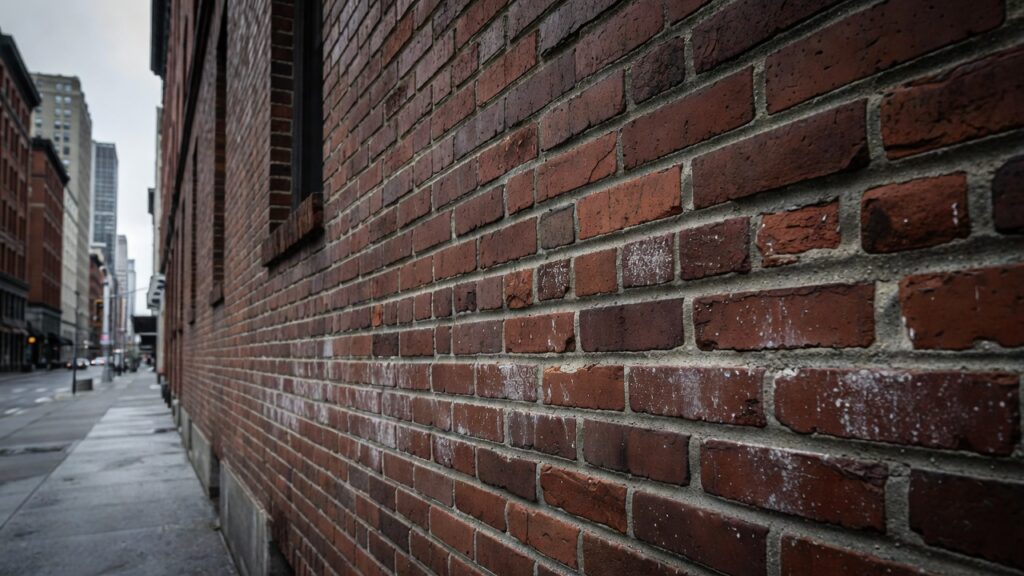
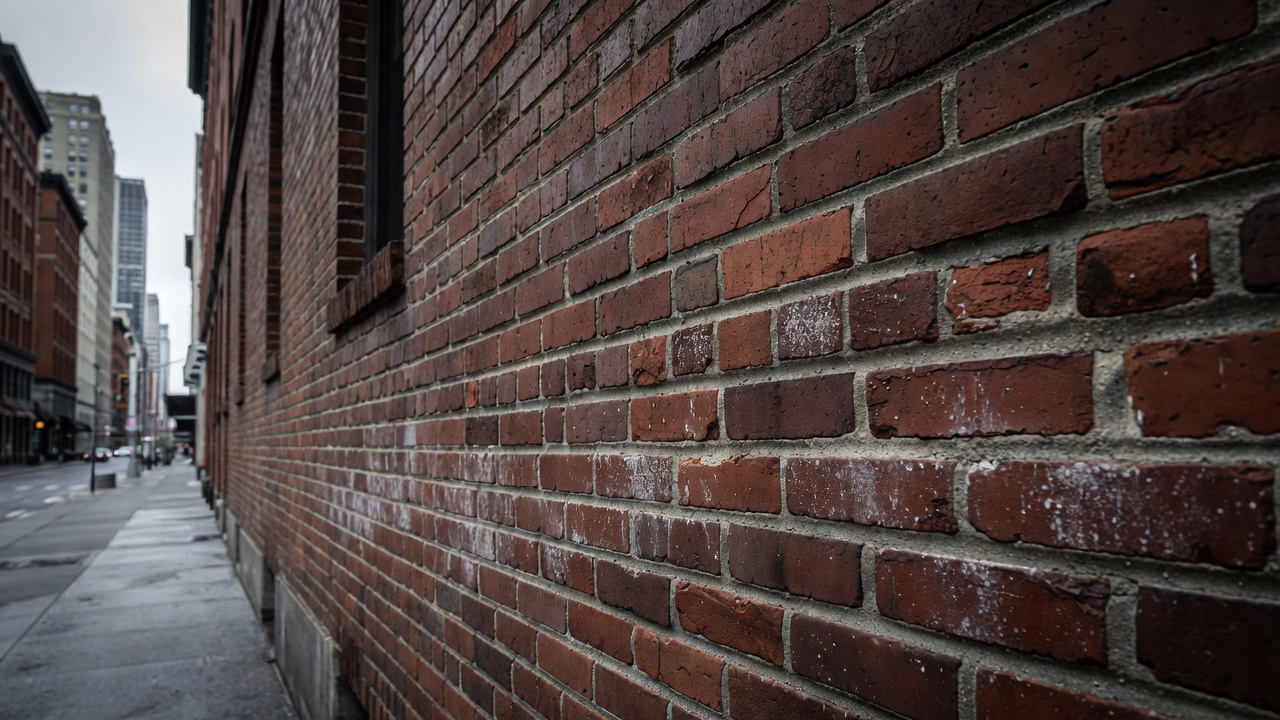
Reliable Professional Masonry and Brick Repair Services: 2026 Guide for Financial District Residents
Lower Manhattan’s building stock is old. Some of the residential and mixed-use buildings in the Financial District were constructed before the Civil War, and the masonry holding them together has been absorbing salt air off the Hudson, freeze-thaw cycles, and decades of vibration from subway lines ever since. Professional masonry and brick repair services are not a luxury down here they are a structural necessity, and knowing the difference between what you can manage yourself and what requires a licensed, experienced crew can save you thousands of dollars and, in some cases, prevent a genuinely dangerous failure.
We work throughout lower Manhattan regularly, from Tribeca lofts converted from cast-iron warehouses to pre-war co-ops on Rector Street and brownstone-style walkups near the South Street Seaport. The problems we see repeat themselves. Below is an honest breakdown of the most common masonry issues, how a professional actually diagnoses them, and where the line sits between a reasonable DIY patch and work that needs trained hands.
A Real Call From the Financial District
Earlier this year, a building manager at a mid-rise on Maiden Lane called us after a tenant on the sixth floor noticed white streaking on the exterior brick visible from the courtyard below. The manager assumed it was cosmetic maybe water staining from a recent rain. When our technicians inspected the facade, we found that the streaking was efflorescence driven by active moisture infiltration through a failed mortar bed above the fifth-floor window lintels. Two courses of brick on the south face were already beginning to separate. Left another full winter, the facade would have required emergency shoring. Caught in early 2026, it was a targeted repointing job with lintel flashing replacement significant work, but nothing close to the cost of a facade failure.
That gap between “cosmetic issue” and “structural problem” is exactly what homeowners and building managers get wrong most often.
The Six Problems We Diagnose Most Often and What They Actually Mean
1. Crumbling or Recessed Mortar Joints
Symptoms: Joints that look sunken, sandy, or powdery. Sometimes mortar crumbles out with a light touch.
Likely cause: Mortar has a lifespan of roughly 25 to 50 years depending on mix quality and exposure. Buildings in the Financial District face exceptional salt-air exposure from the harbor, which accelerates deterioration. Improper historic repointing using a Portland cement mix that is harder than the original lime mortar is also a major cause. The harder mix transfers stress directly to the brick face rather than absorbing it, causing the brick itself to spall.
Professional fix: A proper repointing job begins with an assessment of the original mortar composition. We match the new mortar to the hardness and permeability of the existing brick. Joints are raked out to a minimum depth of three-quarters of an inch before new mortar is packed in lifts. Rushing this or using the wrong mix creates a failure point within a few years.
Can this be prevented? Periodic inspection every five to seven years catches recessed joints before water has a chance to enter. A homeowner can monitor this, but the actual repointing requires professional execution to get the mix and depth right.
2. Efflorescence (That White Chalky Staining)
Symptoms: White or gray powdery deposits on the brick surface, sometimes appearing seasonally after wet weather.
Likely cause: Efflorescence is dissolved salt being carried to the surface by moisture moving through the masonry. It is not itself damaging, but it is a reliable indicator that water is getting in somewhere and that is the real problem.
Professional fix: A professional does not simply clean the staining. We trace the moisture source. That means checking cap condition, flashing at window sills and roof transitions, chimney crowns, and the integrity of the mortar bed above the affected area. In our Maiden Lane job above, cleaning the staining without fixing the flashing would have accomplished nothing.
DIY limit: You can safely scrub efflorescence with a mild masonry cleaner. What you cannot safely determine on your own is where the water entry point is, especially on a multi-story facade.
3. Spalling Brick Faces
Symptoms: Flaking, pitting, or chunks of the brick face breaking away. Sometimes visible as a layered, peeling look across the brick surface.
Likely cause: Water has penetrated the brick and gone through repeated freeze-thaw cycles inside the material. Once a brick face begins to spall, the process accelerates because the newly exposed surface is more porous. Historic brick common in Financial District and Tribeca buildings is often softer than modern brick, making it more vulnerable.
Professional fix: Severely spalled bricks need replacement, not patching. We remove the damaged units carefully to avoid disturbing adjacent courses, source a matching brick (often reclaimed stock, since modern brick dimensions and color rarely match pre-1940 construction), and reset with appropriate mortar. A cosmetic patch with hydraulic cement looks fine for one season and then fails.
Can this be prevented? Yes. A breathable masonry sealer applied by a professional every eight to ten years significantly reduces water absorption. This is one area where the investment in prevention is clearly cheaper than the repair.
4. Lintel and Arch Failure
Symptoms: Cracks radiating from the corners of windows or doorways, stepped cracks following mortar joints in a stair-step pattern, or visible sagging above an opening.
Likely cause: Steel lintels corrode over time. As they rust, they expand, cracking the masonry above. Older cast-iron or stone lintels can crack under long-term load. This is especially common in pre-war Washington Heights and Morningside Heights buildings as well but we see it regularly in Financial District walk-ups with original late-19th-century window configurations.
Professional fix: Lintel replacement involves temporary shoring of the masonry above the opening, removal of the failed lintel, installation of a properly sized steel or stone replacement, and rebuilding of the surrounding masonry. This is not DIY territory under any circumstances. Improper shoring during lintel work can cause a wall section to shift.
5. Chimney Crown and Cap Deterioration
Symptoms: Visible cracking on the flat concrete crown at the top of the chimney, missing mortar around the flue tile, or water in the firebox after rain.
Likely cause: Chimney crowns on Financial District buildings are exposed to full weather without the shelter that brownstone setbacks sometimes provide in Chelsea or Gramercy Park. Thermal expansion and UV exposure crack concrete crowns within 10 to 15 years without maintenance. Once the crown cracks, water reaches the flue liner and the chimney’s interior structure.
Professional fix: We assess crack depth and width before recommending repair versus replacement. Hairline surface cracks can be sealed with a flexible crown coat product. Crowns with structural cracks through the full depth are replaced. According to the National Fire Protection Association (NFPA 211), chimneys, fireplaces, and vents should be inspected at least once per year and cleaned as necessary to reduce fire and carbon monoxide risks and crown condition is a core part of that annual inspection.
6. Parging and Interior Brick Delamination
Symptoms: Interior brick walls showing bubbling, cracking, or delaminating plaster or parging. Sometimes a hollow sound when the surface is tapped.
Likely cause: Bond failure between the parging coat and the brick substrate, usually from moisture cycling or an original application over a dirty or improperly prepared surface. In basement and cellar spaces common in older Financial District commercial-to-residential conversions ground moisture is almost always a contributing factor.
Professional fix: Failed parging must be removed down to sound substrate before any new material is applied. Leaving hollow sections under a new coat guarantees rapid re-failure. We also assess whether a waterproofing membrane or drainage solution is needed before any cosmetic restoration.
What the Codes Actually Require in 2026
New York City Local Law and the NYC Fire Code (Title 29, Chapter 1) require that chimneys and flue systems in multi-family dwellings be inspected and maintained to comply with NFPA 211 standards. For facade masonry specifically, Local Law 11 (now Facade Inspection Safety Program, or FISP) mandates that buildings taller than six stories undergo facade inspection on a five-year cycle. Even if your building falls below that threshold, your co-op board or landlord has an obligation to maintain the structure in safe condition. The Chimney Safety Institute of America (CSIA) also recommends that homeowners hire only CSIA-certified professionals for chimney-related masonry work, noting that certified technicians are trained to identify structural hazards and code violations that untrained workers commonly miss.
Where DIY Stops Making Sense
There are things a careful homeowner can do: clean efflorescence, apply a breathable sealer to an accessible low surface, replace a single loose brick in a garden wall using matching mortar. These are reasonable weekend tasks if you are willing to research mortar mix ratios and work carefully.
What you should not attempt: repointing more than a small test area without understanding mortar composition, any work above two stories without proper fall protection and scaffolding, lintel-adjacent work of any kind, chimney crown repairs, or any masonry work that involves load-bearing walls. The Financial District’s older buildings carry complex load paths that are not always intuitive from the surface. A crack that looks minor can be part of a larger settlement pattern that only shows up fully when you pull up FISP records and compare reports across inspection cycles.
Frequently Asked Questions
How do I know if my Financial District building’s masonry problem is urgent or can wait?
Look for active water intrusion, cracks wider than a quarter inch, any brick or mortar that has actually separated from the wall face, or stair-step cracking around windows and lintels. Those are signs that call for a professional inspection within weeks, not months. Surface staining or hairline cracks on an otherwise stable wall can typically be monitored through a full season before deciding on repair timing. When in doubt, a professional assessment is inexpensive relative to the cost of delayed action.
What makes professional masonry and brick repair services different from a general contractor doing the same work?
Masonry repair on historic and pre-war buildings requires knowledge of original construction methods, mortar composition, and brick hardness that most general contractors do not have. Using the wrong mortar mix — particularly modern Portland cement on soft historic brick is one of the most common causes of accelerated facade damage we see on Financial District buildings. A masonry specialist diagnoses the cause of the failure before touching it, then matches materials to the existing structure. That diagnostic step is what separates repair that lasts from repair that looks good for one season.
How much does professional masonry repair typically cost in Manhattan in 2026?
Costs vary significantly based on scope, access requirements, and material matching. A targeted chimney crown replacement in Manhattan typically runs between $800 and $1,800. Facade repointing on a single-story section accessible from ground level may run $15 to $25 per square foot. Work requiring scaffold or rope access on a multi-story Financial District building carries additional setup costs. Single brick replacement with matching reclaimed material runs $200 to $600 per unit depending on sourcing. Any contractor quoting significantly below these ranges without a clear explanation of why is worth scrutinizing carefully before signing a contract.
Talk to Our Team Before the Next Freeze-Thaw Season
We have worked on buildings throughout lower Manhattan — from the converted loft towers near the Seaport to the older residential stock in Battery Park City and the narrow side streets between Broadway and the river. If you have noticed cracking, staining, or any of the symptoms described above, the right move is an in-person inspection before winter moisture cycles make things worse. Contact Chimney Manhattan to schedule a professional masonry and brick repair services assessment for your Financial District property. We will tell you exactly what we see, what it means, and what it will take to fix it properly.
Related from Chimney Manhattan: Reliable Masonry and Brick Repair Services · Essential Why Masonry and Brick Repair Services in Inwood