Published November 6, 2026
Chimney Repair West Harlem: When to Schedule and How to Choose the Right Contractor
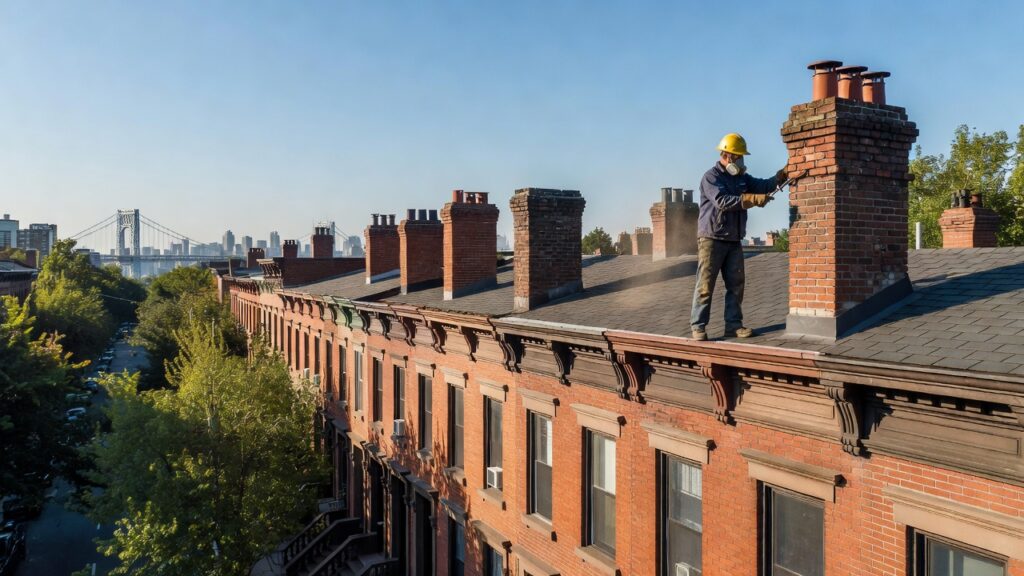
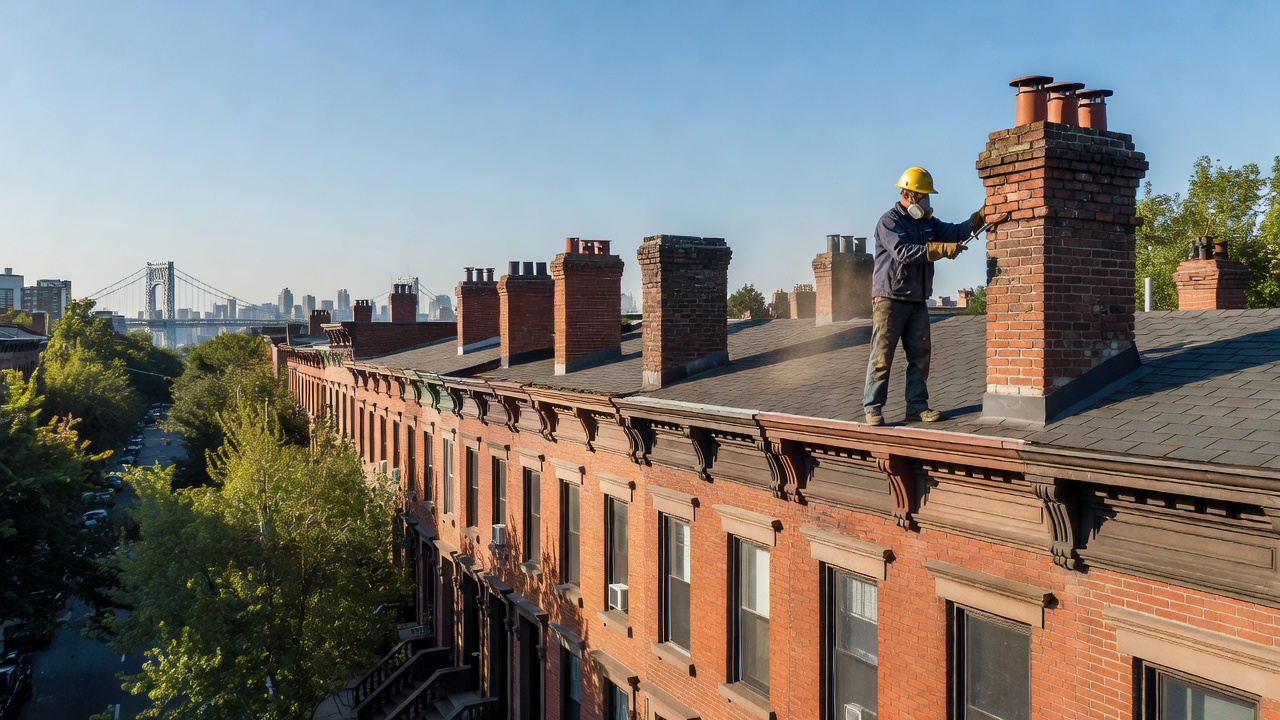
West Harlem sits on some of the oldest residential stock in Manhattan. The rowhouses along Convent Avenue, the pre-war co-ops near 125th Street, the brownstones tucked into Hamilton Heights, most of them were built before 1940, and many still have original masonry chimneys that have never been properly inspected. That’s the backdrop for chimney repair West Harlem homeowners and co-op boards deal with every year. Timing matters here more than most people realize, and so does choosing a contractor who actually knows what they’re doing.
Last spring, a co-op board member on West 141st Street in Hamilton Heights called us after their building’s chimney cap had been displaced over the winter. Water had been getting into the flue for at least one heating season. The liner had started to deteriorate, and several flue tiles were cracked. By the time they reached us in April, the repair bill was meaningfully higher than it would have been if they’d caught the damage in the fall. That’s a pattern we see repeatedly across West Harlem, Morningside Heights, and Washington Heights.
Why Timing Is Different in West Harlem
West Harlem has been identified as one of New York City’s most heat-vulnerable neighborhoods, with summer temperatures that can push feels-like readings above 100 degrees. That same urban heat also accelerates mortar deterioration. Masonry expands in the heat and contracts in the cold, and in a neighborhood full of century-old brick chimneys, that cycle takes a real toll every year.
The practical result: damage that starts in summer often becomes a serious structural problem by the time you fire up your heating system in October. The window between Labor Day and mid-October is genuinely the best time to schedule chimney repair in this part of Manhattan. Contractors are still accessible, mortar work cures properly in moderate temperatures, and you’re ahead of the fall rush that hits every company serving the Upper Manhattan market.
A Season-by-Season Breakdown
Summer (June through August)
Summer is the right time to get an inspection, not to delay one. Heat and humidity accelerate spalling on exposed brick crowns and erode mortar joints. If you had any smoky odor or draft problems during the past heating season, book an inspection now. Work can usually be scheduled within a few weeks, and there’s no urgency pressure on either side.
Early fall (September through mid-October)
This is the best window for chimney repair West Harlem residents should target. Temperatures are moderate, which matters because fresh mortar needs to cure without freezing. Demand is rising but not yet at its peak. If your inspection turns up repointing, liner repair, or crown work, getting it done now means your chimney is ready before the first cold snap. Miss this window and you’re competing with every other building in Harlem, Hell’s Kitchen, and Morningside Heights for the same contractor slots.
Late fall (mid-October through November)
Bookings are compressed and lead times stretch. Mortar work becomes risky once overnight temperatures drop below 40°F, which in Manhattan can happen any time after mid-October. Some repairs are still possible, but cold-weather masonry work requires additives and extra precautions, and not every contractor handles that correctly. According to the Chimney Safety Institute of America (CSIA), certified professionals are trained to identify structural hazards and code violations that less experienced workers may miss, and that standard matters even more when conditions are marginal.
Winter (December through February)
Exterior masonry repair is largely off the table. Interior liner work, smoke chamber repairs, and certain prefab component replacements can still happen, but expect higher prices and limited availability. If your chimney is unsafe to use, the NFPA 211 standard is clear: chimneys should be inspected at least once per year and taken out of service if defects are found. Using a compromised flue in winter is not worth the risk.
Spring (March through May)
Spring is when we see the aftermath of winter. Freeze-thaw cycles crack mortar, shift crowns, and open gaps in brick that weren’t visible in October. It’s a good season for repairs, but be aware that everyone else who skipped fall maintenance is calling at the same time. Lead times in April can run two to three weeks across the Upper Manhattan market.
Choosing a Contractor: What to Ask, What to Watch For
West Harlem has no shortage of general contractors and handymen who will offer to repoint your chimney or replace a cap. Some of them do fine work. Others cause more damage than they fix. The chimney industry has specific certifications for a reason.
Ask any contractor you’re considering whether they hold a CSIA certification. The CSIA recommends hiring only certified chimney sweeps, noting that they’re trained to spot venting problems and structural hazards that general tradespeople routinely overlook. Ask whether they carry liability insurance and workers’ comp, and ask for a written scope of work before any money changes hands.
New York City’s Fire Code (Title 29, Chapter 1) requires that chimneys in multi-family dwellings be inspected and maintained in compliance with NFPA 211. If a contractor can’t tell you what that means or waves it off, that’s a problem. Co-op boards and condo associations in West Harlem and across Manhattan face real liability if a chimney fire or carbon monoxide event is traced back to deferred maintenance or unlicensed work.
Red flags worth taking seriously: no written estimate, pressure to decide on the same day, a price that seems far below every other bid, or a contractor who dismisses the need for a camera inspection of the flue. Interior flue damage, cracked tiles, failed liner segments, cannot be assessed from the rooftop. Any contractor who skips that step is guessing.
The U.S. Fire Administration reports that heating fires account for approximately 15% of all residential structure fires in the United States, with chimney-related failures being a leading cause. That number is avoidable with the right contractor and the right timing.
What Happens If You Wait Too Long
The co-op on West 141st Street is a useful example. One displaced cap led to a compromised liner, which required a full stainless steel liner relining rather than a tile repair. The price difference between catching it early and catching it late was several thousand dollars. That gap is not unusual in older West Harlem and Inwood buildings where the original masonry has had decades to absorb moisture.
Beyond cost, there’s the safety dimension. A cracked flue liner allows combustion gases, including carbon monoxide, to migrate into living spaces. That’s not a hypothetical risk in a dense residential neighborhood like West Harlem where apartments share flue systems in multi-story buildings.
Schedule Your West Harlem Chimney Repair
Our team serves all of West Harlem, Hamilton Heights, Morningside Heights, and the neighborhoods north to Inwood. If your building is due for an inspection or you already know there’s damage to address, the best time to call is before the fall rush arrives. Contact Chimney Manhattan to schedule an assessment, we’ll give you a straight answer about what your chimney needs and what it will cost.
Frequently Asked Questions
How much does chimney repair cost in West Harlem?
Costs vary depending on the scope of work. Minor repointing on a single-family brownstone in West Harlem or Hamilton Heights typically runs $300 to $800. A full liner relining for a multi-story building can range from $2,500 to $6,000 or more depending on flue height and liner material. Getting an inspection before agreeing to any repair is the most reliable way to understand what you actually need.
Can chimney repairs be done in winter in New York City?
Interior work, liner repairs, smoke chamber work, firebox rebuilds, can be done in winter. Exterior masonry repointing and crown repairs are problematic once temperatures drop below 40°F, because mortar will not cure correctly in freezing conditions. If you have exterior damage, the September-to-mid-October window is the most reliable time to get it done in Manhattan.
Does my co-op in West Harlem legally need a chimney inspection?
Yes. New York City’s Fire Code (Title 29, Chapter 1) requires chimneys and flue systems in multi-family dwellings to be inspected and maintained in compliance with NFPA 211, which calls for at least one inspection per year. Co-op boards and building owners carry responsibility for that compliance. Failure to maintain a chimney that later causes a fire or carbon monoxide event can expose a board to serious liability.
Related from Chimney Manhattan: Chimney Sweep & Repair in Harlem · Chimney Repair NYC — Expert Masonry & Structural Repairs in Manhat · Chimney Flashing Repair NYC — Stop Leaks Before They Wreck Your Home