
Smart Co-op Brownstone Chimney Inspection Manhattan: 2026 Guide for Morningside Heights Residents
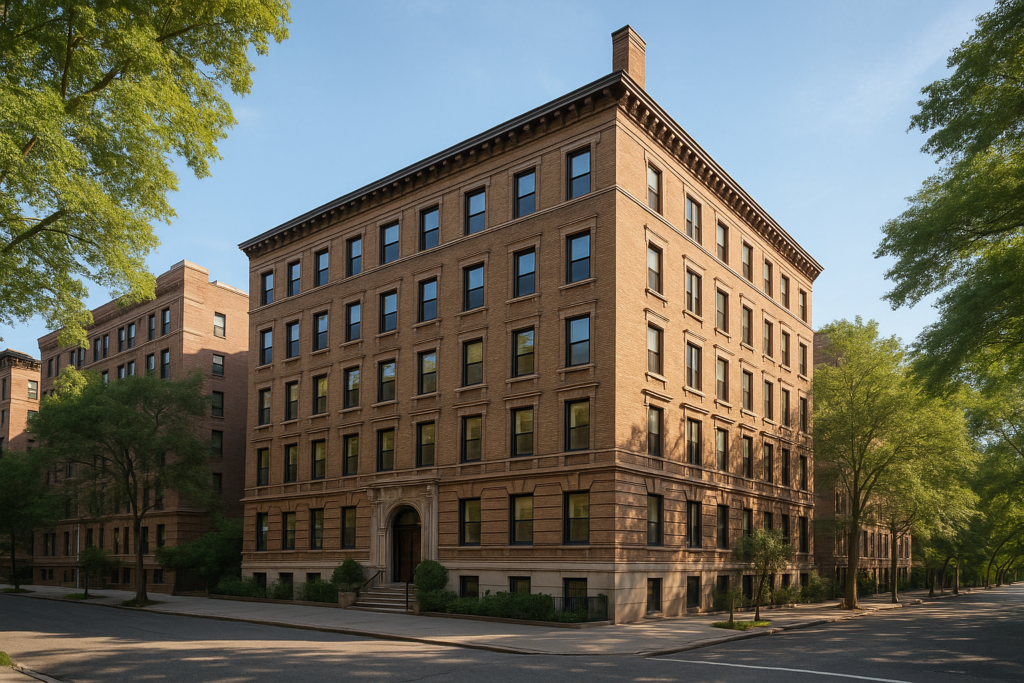
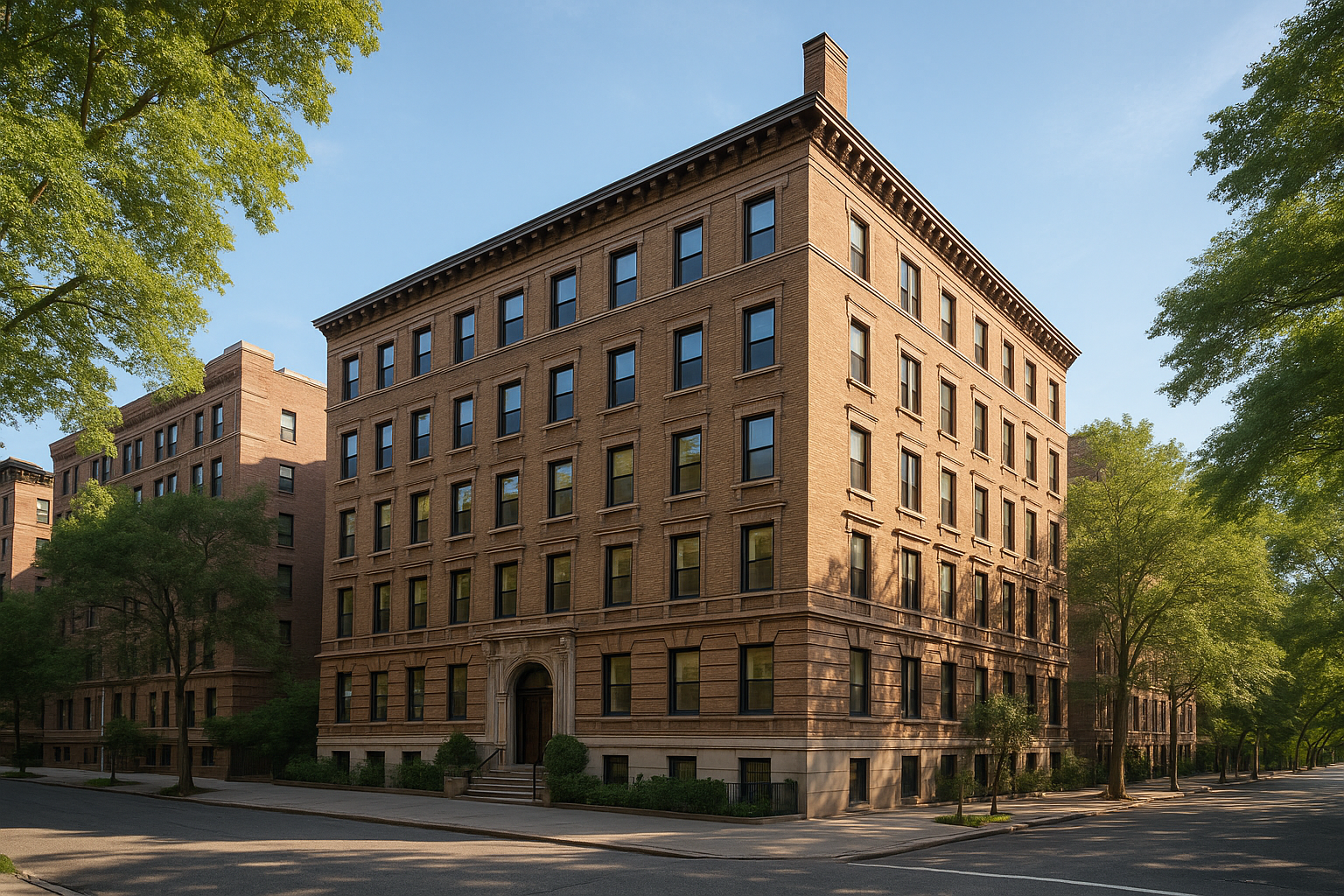
Morningside Heights has some of the most intact pre-war residential stock in all of Manhattan six-story co-ops on Riverside Drive, century-old brownstones tucked between 110th and 120th Streets and attached rowhouses where a single shared flue can serve three or four separate units. A co-op brownstone chimney inspection in Manhattan is not a once-a-decade formality here; it is a building-specific obligation that the wrong contractor can either overlook or overcharge for. Timing the inspection correctly and hiring the right person to do it makes a measurable difference in both safety and cost.
Last October, a shareholder in a six-unit co-op on West 116th Street near Amsterdam Avenue called us after her board received a violation notice from FDNY. Their building had not documented a chimney inspection in over three years. The flue serving two fireplaces on the upper floors had developed a significant liner crack, and the damper on the parlor-floor unit was corroded shut. None of it was visible from inside the apartments. The board needed a certified inspection report, a repair scope, and a contractor who understood the paperwork trail a co-op building requires. That scenario plays out more often than it should in this neighborhood, and most of it comes down to timing and contractor selection.
Why the Calendar Actually Matters in a Manhattan Winter
New York City does not ease into cold weather. By late November, overnight lows in Morningside Heights are regularly in the mid-30s, and residents who have been ignoring their fireplaces since March suddenly want to use them on the same weekend. The problem is that chimney professionals across upper Manhattan serving Washington Heights, Harlem, the Upper West Side, and beyond are fully booked from mid-October through early December. If you call us on November 15th hoping for a same-week inspection, there is a real chance we cannot accommodate you without a premium scheduling fee, and a less scrupulous contractor who can come immediately may not be someone you want inside your building.
According to the National Fire Protection Association (NFPA 211), chimneys, fireplaces, and vents should be inspected at least once per year and cleaned as necessary to reduce fire and carbon monoxide risks. That annual standard is the floor, not the ceiling in a multi-unit Morningside Heights co-op where several households share a common chase, the risk profile is higher, and the inspection scope is more involved.
Season by Season: The Best and Worst Windows to Book
Late Summer (August – mid-September): The Smartest Window
This is when we tell every Morningside Heights client to schedule. Demand is low, our technicians have full availability, and the weather allows us to work on exterior masonry pointing, crown repairs, cap replacements without fighting cold mortar or rain delays. Brownstone chimneys that took on water during spring rains show the damage clearly in August, making it easier to catch spalling brick or a failing crown before the first fire of the season. You also have enough lead time to address anything we find before a board meeting or a co-op compliance deadline.
Early Fall (mid-September – mid-October): Still Good, Book Early
Perfectly workable, but availability tightens after Labor Day. Buildings in Chelsea and Murray Hill compete for the same certified sweeps who serve Morningside Heights, so slots fill faster than residents expect. If your co-op board schedules an annual meeting in October and wants inspection documentation in hand, call us in early September at the latest.
Peak Demand (mid-October – December): Proceed with Caution
This is when the most calls come in and, unfortunately, when the most questionable contractors show up. The U.S. Fire Administration reports that heating fires account for approximately 15 percent of all residential structure fires in the United States, with chimney-related failures being a leading cause. That statistic reflects exactly what happens when people rush to use fireplaces that have not been properly inspected. If you are booking in this window, verify credentials before scheduling do not let urgency drive the decision.
Winter (January – February): Emergency Work Only
We do take calls in January and February, but exterior masonry work is difficult and cold temperatures affect mortar curing. An inspection can happen year-round; major repairs may need to wait. If you discover a problem in February, we will assess it, document it, and often stage the repair for early spring.
Spring (March – May): Catch-Up Season, Post-Winter Damage
Spring is actually an underrated time to schedule, especially in Morningside Heights brownstones where freeze-thaw cycles have been battering the masonry all winter. We often find the most significant structural damage cracked crowns, spalling brick, deteriorated mortar joints during spring inspections. Booking in April means you are ahead of the fall rush by five months.
Choosing the Right Contractor: What to Ask and What to Watch For
The Chimney Safety Institute of America (CSIA) recommends that homeowners hire only CSIA-certified chimney sweeps, noting that certified professionals are trained to identify structural hazards, code violations, and venting problems that untrained workers may miss. In a co-op building, this matters doubly the inspection report may need to satisfy your board, your managing agent, and potentially FDNY. A non-certified contractor’s written report carries no real weight in any of those conversations.
When you call to book a co-op brownstone chimney inspection in Manhattan, ask the contractor directly: Are you CSIA-certified? Can you provide a written Level II inspection report? Do you carry general liability and workers’ compensation insurance? A legitimate company answers all three questions without hesitation and can send proof of insurance to your managing agent before the appointment. If you get vague answers or a contractor who wants to quote repairs before they have even looked at the flue, that is a red flag.
Price is also worth discussing plainly. In 2026, a Level I inspection in a single Manhattan apartment typically runs $150 to $250. A Level II inspection which involves camera equipment and a more thorough flue assessment, often required after a purchase, sale, or any change in appliance runs $300 to $500 depending on building complexity. A Morningside Heights co-op with multiple flues may require coordination with the super and access to the roof; that scope should be discussed upfront. Be skeptical of any quote dramatically lower than those ranges. Chimney work is not an area where the cheapest bid usually ends well.
We have cleaned up after contractors from outside upper Manhattan who did not know how to navigate a shared-flue system, mis-identified a gas insert liner as a wood-burning appliance, or filed paperwork that did not meet NYC Fire Code requirements. The co-ops and brownstones in Morningside Heights, Harlem, and Inwood are specific environments. Experience with this building stock matters.
What Happens If You Wait Too Long
Beyond the obvious fire and carbon monoxide risk, delaying a chimney inspection in a co-op context has practical consequences. Boards can face FDNY violations, which carry fines and require documented remediation. Shareholders trying to sell or sublet may find that an undocumented chimney creates complications during the application process. And in a Morningside Heights brownstone where the flue is shared between units, one household’s neglect affects every neighbor above and below them. The inspection is not optional it is a shared responsibility built into the physical structure of the building.
Frequently Asked Questions
How often does a Morningside Heights co-op need a chimney inspection?
NFPA 211 sets the minimum at once per year, and that applies to every flue in the building whether or not the fireplaces are actively used. For co-ops with multiple units sharing a common chase, we generally recommend scheduling the inspection in late summer so any repairs can be completed before the heating season begins in October.
What is the difference between a Level I and Level II chimney inspection, and which does my co-op need?
A Level I inspection is a visual check of accessible portions of the chimney appropriate for annual maintenance when nothing has changed. A Level II inspection includes video camera scanning of the flue interior and is required any time there has been a change of fuel type, a new appliance installed, or a real estate transaction. Many Manhattan co-op boards and managing agents now request Level II documentation regardless of trigger event, because it provides a more defensible record.
Can a chimney inspection be completed if the building super needs to be present?
Yes, and we coordinate this routinely in Morningside Heights co-ops and brownstones. Roof access, mechanical room access, and scheduling around tenant availability are all part of how we operate in multi-unit Manhattan buildings. When you book with us, let us know the building’s access requirements upfront, and we will confirm logistics with your super or managing agent before the appointment date.
Schedule Your Morningside Heights Chimney Inspection
Don’t wait until the fall rush or a building compliance issue forces you to act. If your co-op or brownstone is due for its annual chimney inspection, scheduling early gives you time to address any issues before heating season begins.
Chimney Manhattan serves Morningside Heights, Harlem, Inwood, the Upper West Side, and surrounding Manhattan neighborhoods. Contact our team for a professional inspection with clear documentation your board, managing agent, or building super can review. We’ll explain the inspection level your building needs and provide a straightforward assessment without unnecessary pressure.
Call Chimney Manhattan or contact us online to schedule your co-op or brownstone chimney inspection before fall appointments fill up.
Related from Chimney Manhattan: Professional Chimney Cleaning Services in Manhattan, NYC · Chimney Repair NYC — Expert Masonry & Structural Repairs in Manhat · Chimney Draft Problems Apartment